DC has had a complicated relationship with television. For every show that nailed the tone and kept people watching for years, there's another that lost the plot by season two or never found its footing at all. I used to think that Marvel movies were great, but their shows weren't and DC shows were amazing, but their movies were lackluster, but things have changed. Now both are thriving in movies and television. Having watched a significant chunk of the DC television catalog, here is how the best ones stack up.
10. The Flash
The early seasons of The Flash captured something genuinely fun and optimistic that most superhero shows struggle to maintain. Barry Allen's earnestness worked, the villains were memorable, and the show managed to balance humor with stakes in a way the Arrowverse rarely managed consistently. Unfortunately after the show got to a point where the best episodes were the crossover ones.
9. Smallville
A Superman show without Superman. On paper it sounds preposterous, but somehow it worked. Smallville ran for ten seasons and followed Clark Kent long before he became Superman, grounding the mythology in a small town setting that gave the show a distinct identity. It was uneven across its run but at its best it told genuinely compelling stories about what it means to carry that kind of responsibility before you are ready for it.
8. Gotham
Gotham had no business working as well as it did. Like Smallville, it was a show about a time before the main character existed. A prequel series following a young Jim Gordon in a city full of proto-villains sounds like a bad idea on paper, but the show leaned into its own absurdity and committed to a tone that was equal parts noir and chaos. Robin Lord Taylor's Penguin alone made it worth watching.
7. Arrow
Arrow started strong and launched an entire television universe. The first two seasons are legitimately excellent, with a grounded take on Oliver Queen that felt fresh at the time. The show lost its way eventually, but somehow throughout its run, always managed to bounce back, with its eighth season being one of the best and setting up one of the most ambitious crossovers in television history: Crisis on Infinite Earths.
6. Lucifer
Lucifer took a premise that could have been a generic procedural and elevated it through Tom Ellis's performance and a surprising willingness to engage with questions of free will, guilt, and redemption. The show found its audience on Netflix after Fox cancelled it and ran for six seasons, which is about as strong an endorsement as a cancelled show can get. Even though the show never felt like a comic book show, they still managed to tie it into the Crisis on Infinite Earths crossover with Ellis reprising his role as the loveable devil.
5. Legends of Tomorrow
Legends of Tomorrow ran for seven seasons on The CW and started as a relatively straightforward time travel ensemble before evolving into one of the most genuinely strange and committed comedies on television. By its later seasons the show had fully embraced absurdist storytelling, musical episodes, and plotlines involving a giant stuffed Beebo becoming a god, and it worked because the cast never blinked. It deserved a proper ending instead of the cliffhanger cancellation it got.
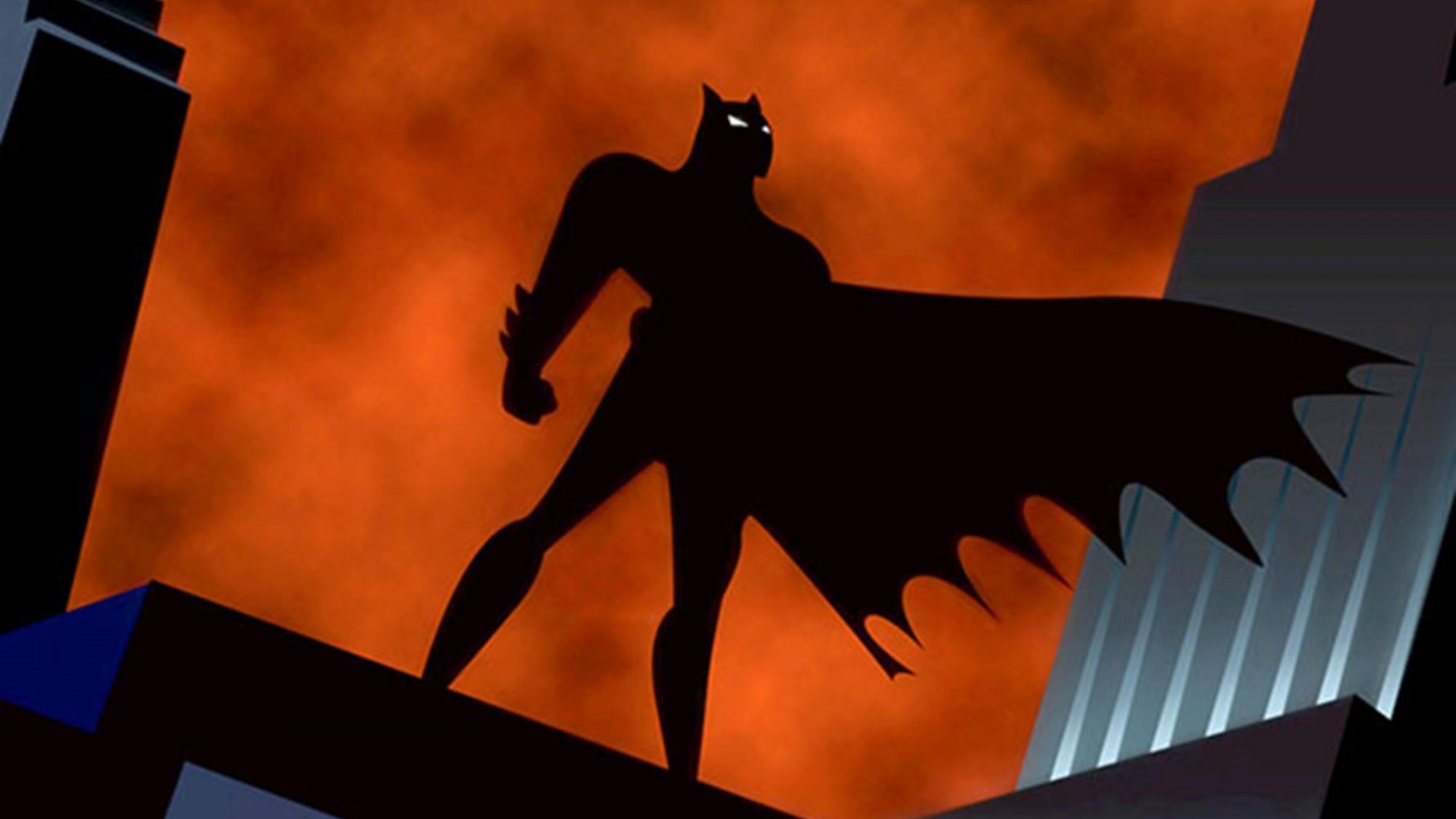
4. Batman: The Animated Series
Batman: The Animated Series had a lot of firsts. It had a willingness to tell genuinely dark stories within a format aimed at younger audiences, it was the first show in the DC Animated Universe, and it was the first time that Kevin Conroy and Mark Hamill starred as Batman and the Joker. Their performances were so good that the two became synonymous with the roles, taking them to new universes.
3. Peacemaker
James Gunn's Peacemaker series took a character who had no business carrying a show and made it work entirely on the strength of John Cena's performance and the writing. The show jumped from DCEU to DCU between seasons 1 and 2, but it proves that James Gunn is willing to put a PG character like Superman into a world where John Cena is smoking weed and having orgies. It is irreverent, ridiculous, and unexpectedly emotional.
2. Harley Quinn
The animated Harley Quinn series is one of the most underrated DC properties in any medium. It is genuinely funny, surprisingly sharp in its character work, and does more interesting things with Harley, Ivy, and the broader DC villain roster than most live action attempts have managed. The fact that it does not get more attention is baffling.
1. Batman Beyond
Batman Beyond took everything that made Batman: The Animated Series great and pushed it into a cyberpunk future that felt genuinely fresh. Terry McGinnis is a compelling protagonist in his own right, and the dynamic between him and an older, retired Bruce Wayne gave the show an emotional core that most superhero series never find. It remains one of the best things DC has ever put on television in any format.
Where Does This Leave the Rest?
Titans started strong and faded. Birds of Prey was better than its reputation suggests. The 1960s Batman and Robin was campy and fun. DC television has always been uneven, but when it works, it produces some of the best superhero content in any format. Television gives characters time to expand and makes them complex in ways that movies can't in a two hour time frame and that is where these characters shine.
