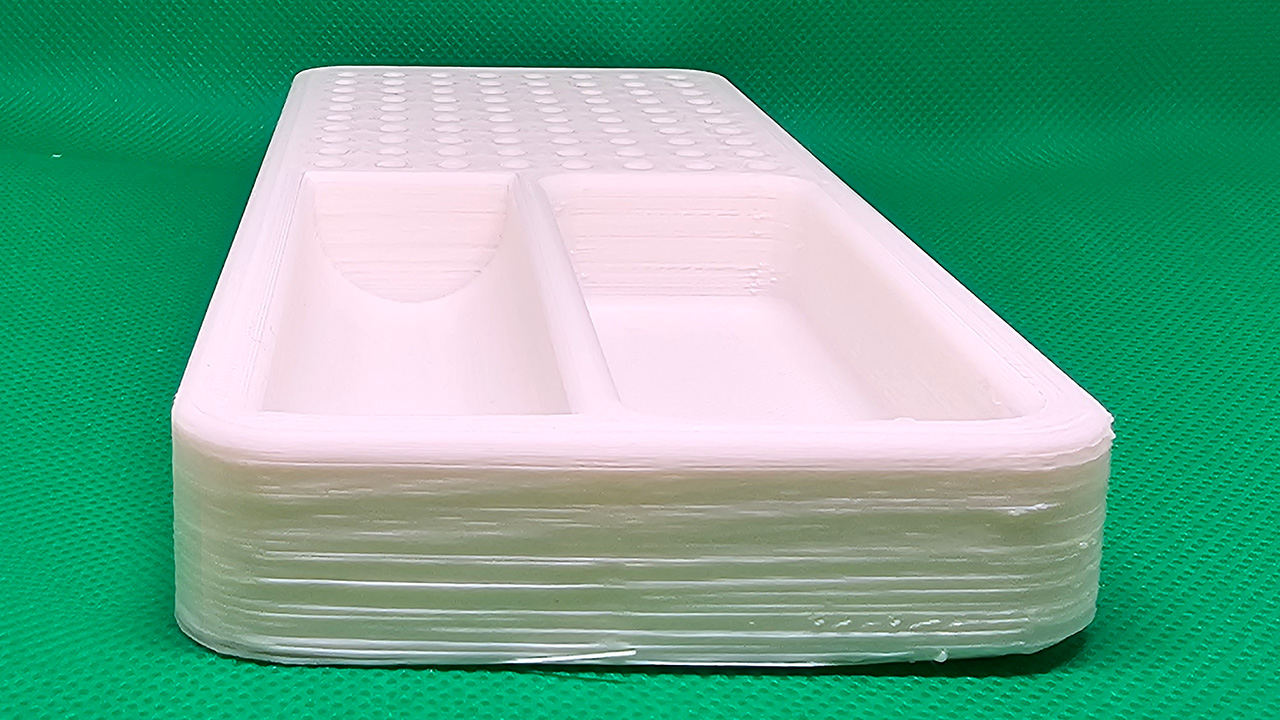
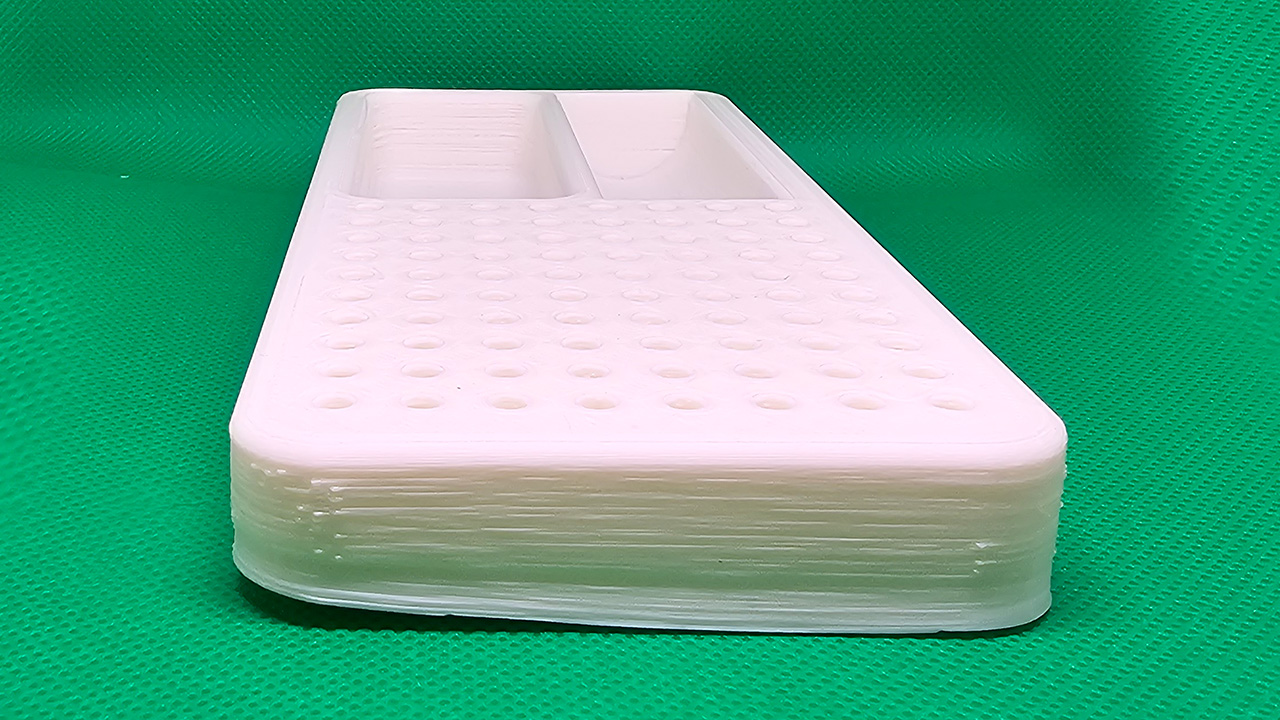
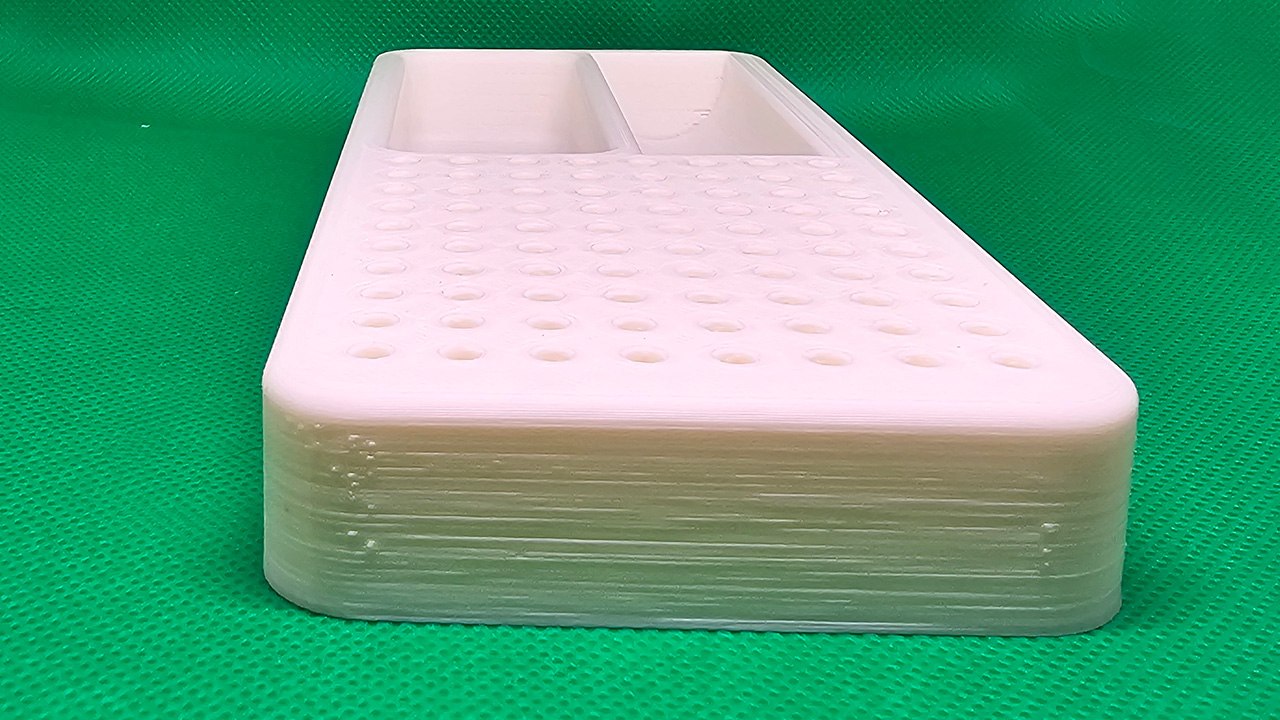
I have been 3d printing for a while. I have an Ender3, with the default bed that it comes with. One issue that has come up recently is that my prints wouldn't fully stick to the bed. I leveled my bed more times than I can count and have a BLTouch. In Octoprint I saw how uneven my bed was, with highs and lows being in places that no amount of adjusting could fix. I even tried using glue and blue tape. The glue helped a bit, but still curled up. The blue tape just would not stick with the heat. I even used glue and then put blue tape over it. That did not work either.
At one point I had a glass bed, but the nozzle got too close and scratched it, so I probably threw it out. I also used a lot of glue with it, so I didn't want to go that route again. I ended up getting a PEI bed, but I had low expectations. I am glad that I was wrong. Not only did prints stick better than it ever has, the first layer is smoother than ever.
If you have issues like I had or if you just want smoother first layers, I highly recommend getting a PEI bed for your prints. Now I just need to figure out why the layers look so bad, they don't on calibration cubes and it's not always rough, it just depends on the gcode it seems. That will be a question for another day, however.