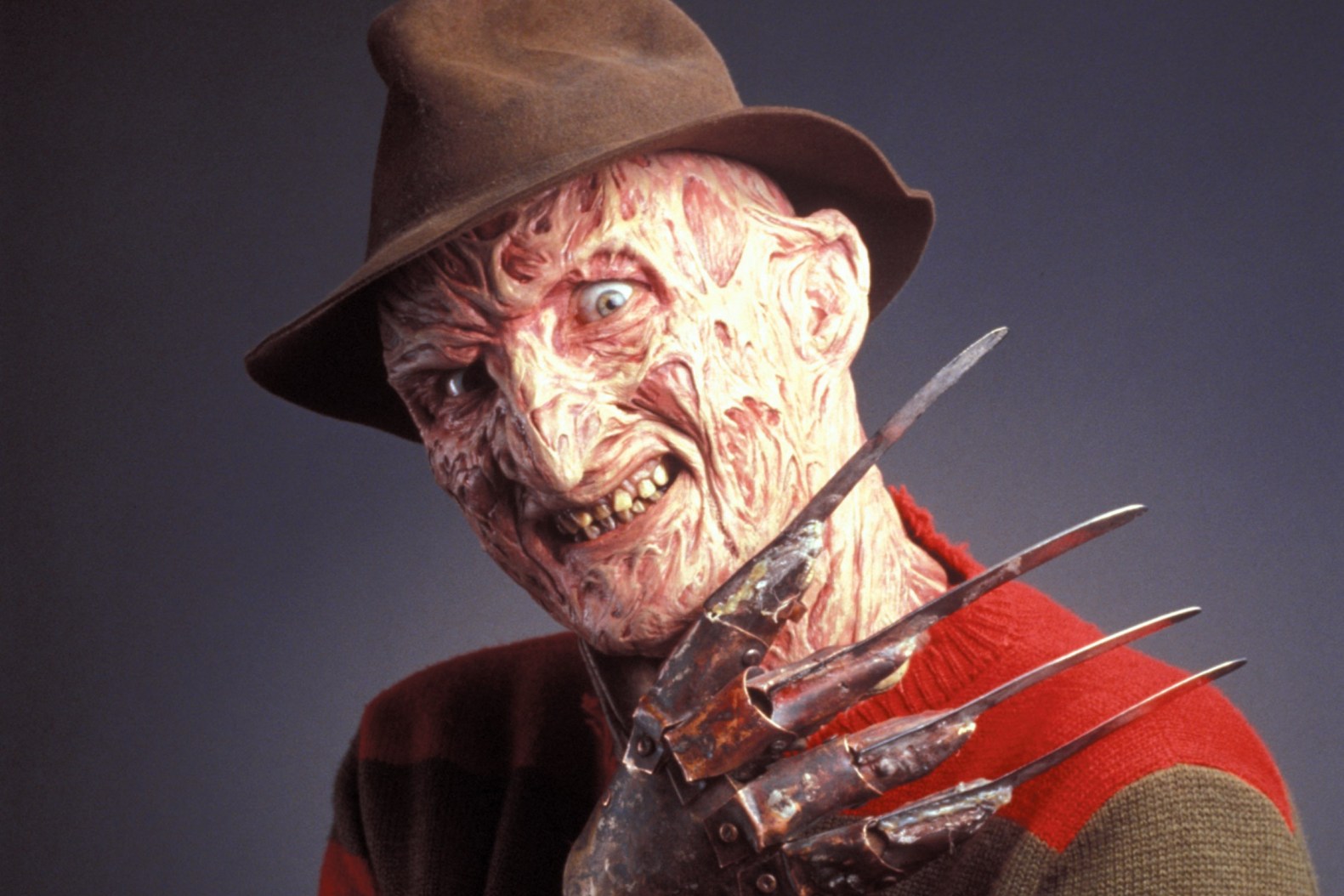
When it comes to horror, for me there are two kings, the first is Jason Voorhees, the second is of course, Freddy Krueger. The Nightmare on Elm Street series was part of my childhood. Seeing Freddy first on TBS and edited for TV and then rented from the store in all his glory. He's had a main series, an alternate timeline and a remake, but what is the right order for the A Nightmare on Elm Street movies? The good news is that this franchise is one of the easiest horror series to marathon. Release order and in-story order line up almost perfectly across the original run, and the few entries that break away from that pattern are easy to spot once the full list is laid out.
What follows is every film in the saga in the order it was released. I'll flag where the timeline bends and call out which entries matter most if this is your first run through the series.
Is A Nightmare on Elm Street Chronological Order the Same as Release Order?
Line up the nine films by release year and press play. That sequence is the same as the chronological order for the core run, because the 1984 original starts the story and each of the early sequels picks up after the one before it. Two entries sit apart from that flow: the Freddy vs. Jason crossover, which shares the bill with another horror series, and the 2010 remake, which retells the original story instead of continuing it. Both belong at the end of a marathon rather than in the middle. No flowchart required.
Every A Nightmare on Elm Street Movie in Order
The franchise covers nine films across four decades. The table below lists them by release date, which doubles as the recommended viewing order for anyone starting fresh.
| Order | Title | Year | Where It Fits |
|---|---|---|---|
| 1 | A Nightmare on Elm Street | 1984 | Wes Craven's original, the start of everything |
| 2 | A Nightmare on Elm Street Part 2: Freddy's Revenge | 1985 | Fast-tracked sequel, the odd one out |
| 3 | A Nightmare on Elm Street 3: Dream Warriors | 1987 | Often named the best sequel by fans |
| 4 | A Nightmare on Elm Street 4: The Dream Master | 1988 | Continues the dream mythology |
| 5 | A Nightmare on Elm Street 5: The Dream Child | 1989 | Darker turn for the series |
| 6 | Freddy's Dead: The Final Nightmare | 1991 | Marketed as the end of the saga |
| 7 | Wes Craven's New Nightmare | 1994 | Craven returns, stands apart from the sequels |
| 8 | Freddy vs. Jason | 2003 | Crossover event, eighth in line |
| 9 | A Nightmare on Elm Street | 2010 | Remake with the original title |
The Original Freddy Krueger Run, 1984 to 1991
Six films came out in a seven-year stretch, and they form the spine of the franchise. Watching these in order is where the series makes the most sense, since characters and rules carry forward from one movie to the next.
A Nightmare on Elm Street (1984)
Wes Craven created the franchise with this one, and it still holds up as the strongest entry for my money. The premise is lean and nasty, and it works as a standalone film if the rest of the series never gets watched. The original passed its fortieth anniversary in 2024, which is a strange thing to type about a movie that scared me half to death on a small CRT television.
A Nightmare on Elm Street Part 2: Freddy's Revenge (1985)
The first sequel was fast-tracked after the original found an audience, and it arrived one year later in 1985. It is the entry that divides fans the most, partly because it bends rules the first film established and partly because it leans into a different tone. I have come around on it over the years, though it remains the strangest fit inside the main run.
A Nightmare on Elm Street 3: Dream Warriors (1987)
By 1987 the series had figured out what it wanted to be. Dream Warriors is the one that gets named most often when fans argue about the best sequel, and it earns that reputation by expanding the dream rules instead of just repeating them. For a marathon, this is the point where the franchise becomes a proper ongoing story rather than a run of loose sequels.
A Nightmare on Elm Street 4: The Dream Master (1988)
The fourth film keeps the mythology moving and pushes the visual imagination further. It also marks the stretch where the series settles into a reliable rhythm: new kids, new dream set pieces, and a Krueger who gets more talkative with each outing. Watching it right after Dream Warriors makes the connective tissue obvious.
A Nightmare on Elm Street 5: The Dream Child (1989)
The fifth entry goes darker and stranger than the films around it. Opinions on this one swing hard in both directions, and it tends to be the point where casual viewers either commit to the whole saga or bail out. Placing it fifth keeps the escalating dream logic in the right sequence.
Freddy's Dead: The Final Nightmare (1991)
The sixth film was sold as the closing chapter, which is why the title says final. Nothing in horror stays buried forever, of course, and the franchise had more to say a few years later. For order purposes, this one ends the original run that started back in 1984 with Craven's first film.
Wes Craven's New Nightmare (1994)
Wes Craven came back for the seventh film, and New Nightmare stands apart from the six entries before it. The approach is different enough that it works as a curiosity piece placed after the original run rather than in the middle of it. Slotting it seventh keeps the main continuity clean and gives the marathon a natural change of pace before the crossover years.
Freddy vs. Jason (2003)
The eighth film is the crossover, and it is the one entry that shares its running time with another horror franchise. After Freddy's glove made a brief appearance in Jason Goes to Hell: The Final Friday, he goes head to head with Jason Voorhees. The child in me was filled with excitement watching the two kings of horror go at it. Watching it in release order puts it after New Nightmare and before the 2010 remake, which is where most viewing guides place it. It is not essential to the Elm Street story, but it is part of the franchise's release history and it belongs in a complete marathon.
A Nightmare on Elm Street (2010) Remake, Where It Fits
The ninth film carries the same title as the 1984 original because it retells that story rather than continuing it. That makes the placement easy: last. Watching it at the front of a marathon would spoil the structure of the original, and watching it in the middle would break the flow of the older sequels. Anyone building a first-time watch list can also skip it without losing anything from the main saga.
For the first six films, chronological order and release order are the same thing, since the story moves forward as the release dates move forward. New Nightmare and Freddy vs. Jason sit outside that clean progression, and the 2010 remake exists in its own version of the story. There is no rearrangement that improves on the release sequence, so the simplest answer is also the correct one. Anyone who prefers a strict timeline can still use release order without missing a beat.
Best Order to Watch A Nightmare on Elm Street for a First-Time Viewer
Start with the 1984 original to see whether the tone lands. Move straight into Dream Warriors if time is short, since it is the sequel most fans point to as the high point. From there, the fourth and fifth films continue the arc, and Freddy's Dead closes the original run. New Nightmare follows as a change of pace, Freddy vs. Jason comes next for the crossover, and the 2010 remake finishes things off if the appetite is still there. That path covers the full franchise in nine sittings without any backtracking, and it keeps the strongest material early where it makes the biggest impression.
Is a New A Nightmare on Elm Street Movie Coming?
In July 2026, Paramount announced a new Nightmare on Elm Street movie through its genre label, Paramount Primal, in a deal with Wes Craven's estate. No title, director, or cast has been revealed, only that the film is set in the world of A Nightmare on Elm Street and based on Craven's original screenplay. Paramount secured the U.S. rights from Craven's widow, Iya Labunka, and his son, Jonathan Craven. Nothing here changes the order above since there's no release date yet, but given the reboot angle, expect this one to land the same way the 2010 remake did, as its own standalone story rather than a continuation.
