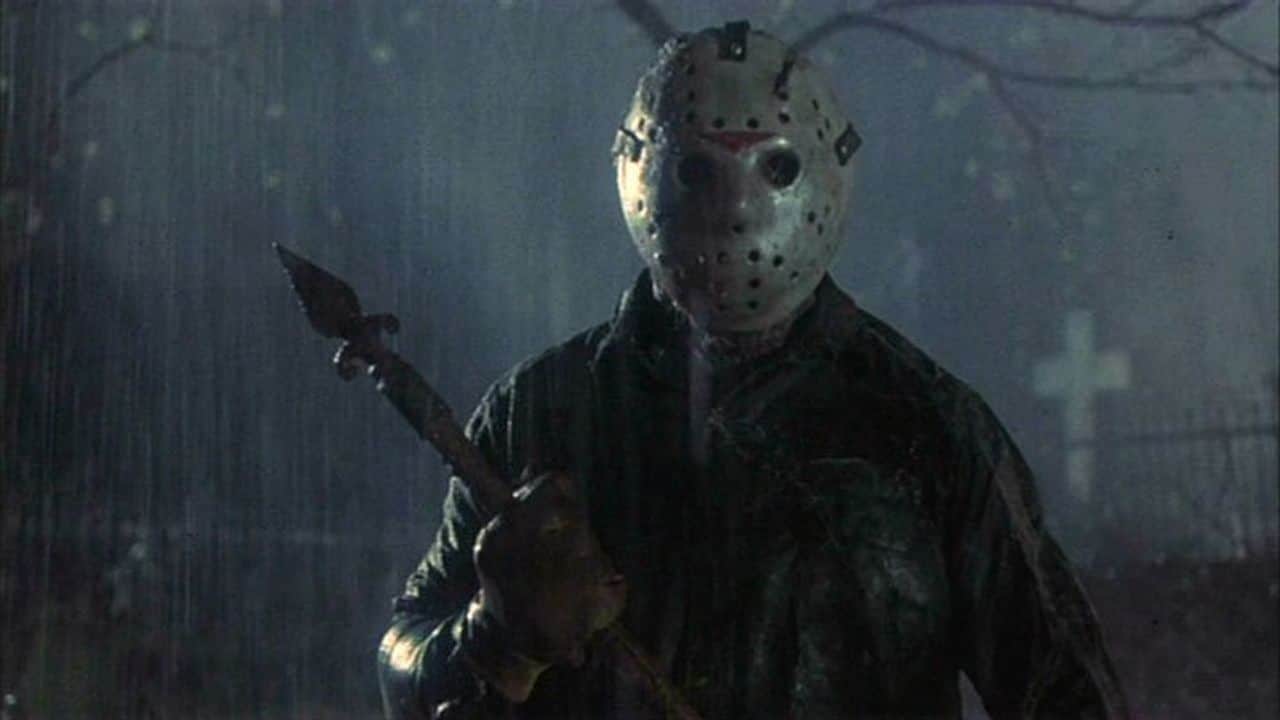
Over four decades, horror trends have come and gone, but Friday the 13th? It sticks around like Jason Voorhees in the woods. You can't talk about slashers without this franchise. It launched in 1980, sparked 12 sequels, and turned a hockey mask into a symbol of pure dread. The original low-budget shocker changed everything, sudden kills, creative stabbings, that eerie camp setting. It didn’t just scare audiences, it rewrote the rules.
It’s not just nostalgia. There are new fans every year, especially now since the franchise is no longer stalled. Fortnite and Dead by Daylight's Jason Voorhees characters have brought him to a brand new generation. With the upcoming Crystal Lake series, it's only going to get bigger.
Friday the 13th and Slasher History
I still remember seeing one of the movies on TBS growing up. Then shortly after, for the next few weeks, I rented the rest of the series, starting with the very first one. That film, released in 1980, kicked off a legacy that’s now 12 movies deep. The series is a fundamental part of the slasher genre's historical evolution, shaping how we think about masked killers, summer camp kills, and final girls.
The golden age of slashers
You couldn’t escape slashers in the late '70s and early '80s, Halloween lit the fuse in 1978, and by 1980, Friday the 13th poured gasoline on the fire. It arrived right in the middle of the genre’s explosion, giving audiences something raw and relentless. Jason Voorhees, though not the killer in the first film, became its most enduring face, defining an era where body counts rose and sequels multiplied fast.
How it set the standard
One kill at a time, the franchise built a blueprint. Before Friday the 13th, slashers were moody and sparse, Halloween relied on tension. Friday the 13th was all about creative deaths, POV shots from the killer’s eyes, and a mounting body count. The original didn’t even have Jason as the killer, his mother, Pamela Voorhees, was the murderer, yet it established the rhythm: teens break rules, camera stalks them, and then sudden, brutal death.
What really sticks is how it turned formula into art. The camera work, especially those early point-of-view sequences made you feel like the killer long before you saw his face. That $550,000 budget turning into $59 million worldwide? That kind of return got studios paying attention. It proved you didn’t need A-list stars or fancy effects, though Tom Savini's practical effects work set a new standard for on-screen gore. You could do a lot with a camera, a sharp blade, and a summer camp. The series is a fundamental part of the slasher genre's historical evolution, not because it was first, but because it perfected the pulse of the genre, fast, loud, and unapologetically gory.
The franchise is also known for something else, something that can send chills down your spine. While Michael Myers and Freddy Krueger have special musical numbers that define their franchise, Jason has something else. "Ki ki ki ma ma ma" is synonymous with the franchise. Anyone who hears that phrase instantly knows you're talking about Friday the 13th. Harry Manfredini used his own voice and layered over the phrase "kill her mommy" and it became one of the most recognizable sounds in horror.
The Friday the 13th Cultural Legacy
Friday the 13th remains a horror icon because it defined the slasher era. Jason Voorhees is not just a villain, he built a cultural footprint that continues to grow across generations. The franchise's imagery, mythology, and influence are so deeply embedded in horror history that it’s impossible to imagine the genre without it. Without Friday the 13th, you wouldn't have other classics like A Nightmare on Elm Street. The 1980s slasher boom that Friday the 13th started is the only reason that movie and movies like it got made. Without that boom we wouldn't have Scream or Scary Movie, the whole current pop culture landscape would be completely different. It's all thanks to a drowning boy in a lake and his mother that went after horny camp counselors. Friday the 13th didn't just start a franchise. It started a genre conversation that horror has never stopped having.
